Conservation: How to Tell Whether a Trip Protects the Place
Safaris, Irish landscapes and historic towns on a cruise stop all depend on places that someone else looks after. This page sets out the questions to put to an operator and the public signs worth checking.
Judge the place as well as the itinerary
Most of what a traveller sees on a wildlife or heritage trip is decided by rules made elsewhere: how close a vehicle may stop, how many visitors a monument admits at once, who is paid to guide a group through an old town. A brochure rarely shows those rules. The same itinerary can leave a place in good order or wear it down, and the difference usually shows in a few answers the operator can give if it has thought them through.
This guide does not rate operators and names none. What it offers is a method: the questions to ask, what a specific answer looks like, and where the public record can back a claim up. Keep these questions to hand when two trips look alike on paper.
The useful question is seldom what a trip shows you. It is who sets the limits on the place it visits.
Fare Basis

Questions that show whether a place is being looked after
Wildlife at close range
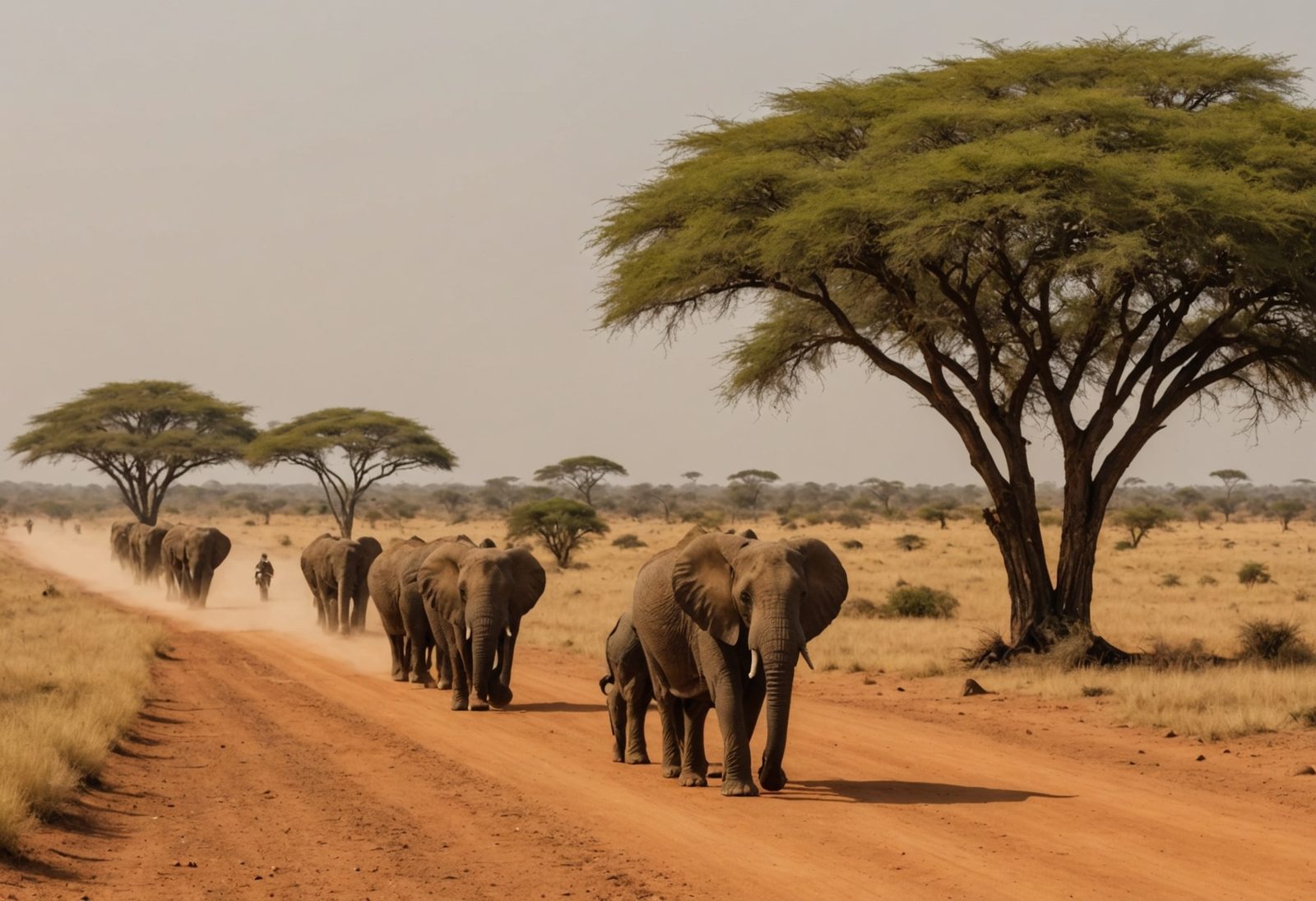
Ask how many vehicles may gather at one sighting, how close they may stop, and whether the guide follows a set distance. Ask who wrote that rule: the reserve, the lodge or the operator. A named rule is worth more than a reassuring answer.
Crowds at old sites
Ask whether visits to a monument, church or old town are timed or capped, and whether the group size is fixed for that stop. Ask what happens when the site is full or closed on the day. A stop planned around the site's own limits is a better sign than one planned around the coach timetable. Ask whether the operator has changed a stop because of crowding, and what it changed.
Who the money reaches
Ask who guides you at each stop, and whether those guides are paid by the operator or by the site. Ask which local businesses the itinerary uses.
Where to look beyond the operator's answers
An operator's answers are one source. The second is the public record: the reserve or park's own rules on vehicles and visitor numbers, the site's visitor notices, and the guidance of the national tourism body for the country you are visiting. Those pages change, so check their dates.
A claim that a place limits its visitors carries more weight when you can find that limit on the body that runs the place. The calendar and the visitor FAQ cover timing and fees; this page covers how the place is looked after.